
Soil and air in coastal regions are typically characterized by high humidity, high salt fog, and severe electrochemical corrosion. In these areas, water and oil transmission pipelines, as well as foundation piles—whether buried or exposed to the air—are constantly subjected to intense attack by chloride ions. Chloride ions possess extremely strong penetrating power, easily breaching ordinary passivation layers and accelerating the electrochemical corrosion of steel pipes.
In harsh coastal environments, selecting a corrosion-resistant coating capable of withstanding salt fog and soil salinity erosion over the long term is key to extending pipeline lifespan and preventing catastrophic leaks. This article will provide an in-depth analysis of the actual performance of several mainstream anti-corrosion coatings in coastal environments and offer clear recommendations for selection.
I. The “Extreme Test” of Steel Pipe Coatings in Coastal Environments
To maintain long-lasting corrosion protection in coastal areas, coatings must possess the following three core capabilities:
- Extremely low resistance and permeability: Chloride ions and moisture must be prevented from penetrating the steel pipe surface through coating pores.
- Superior resistance to cathodic disbonding: Coastal pipeline networks must be equipped with cathodic protection systems; the coating must not blister or peel under electrochemical protection.
- Abrasion and Impact Resistance: In coastal areas with sandy soils or intertidal zones, tidal scouring and sediment abrasion place extremely high demands on the coating’s mechanical strength.
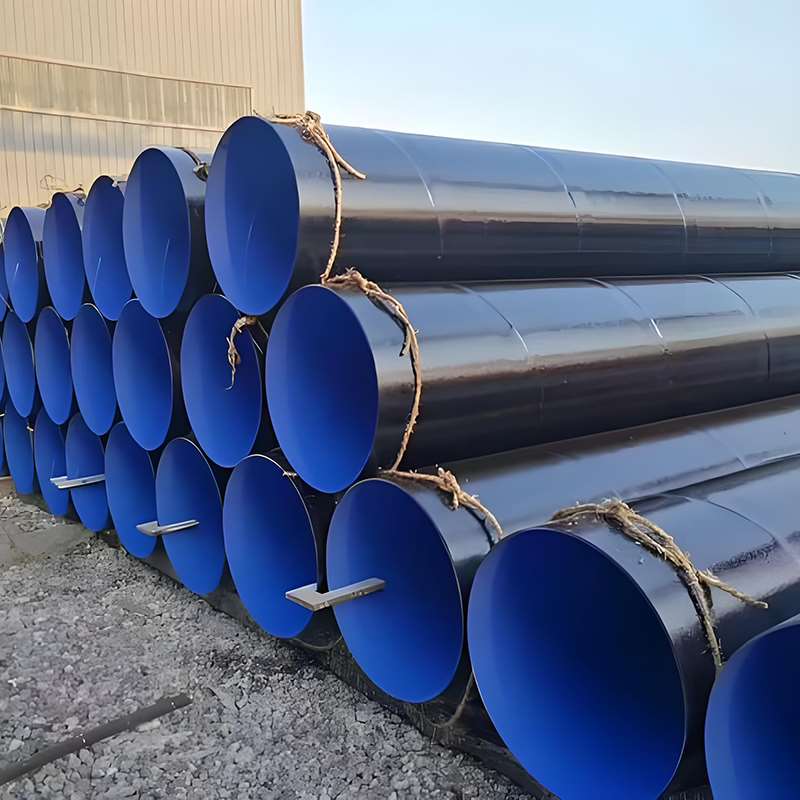
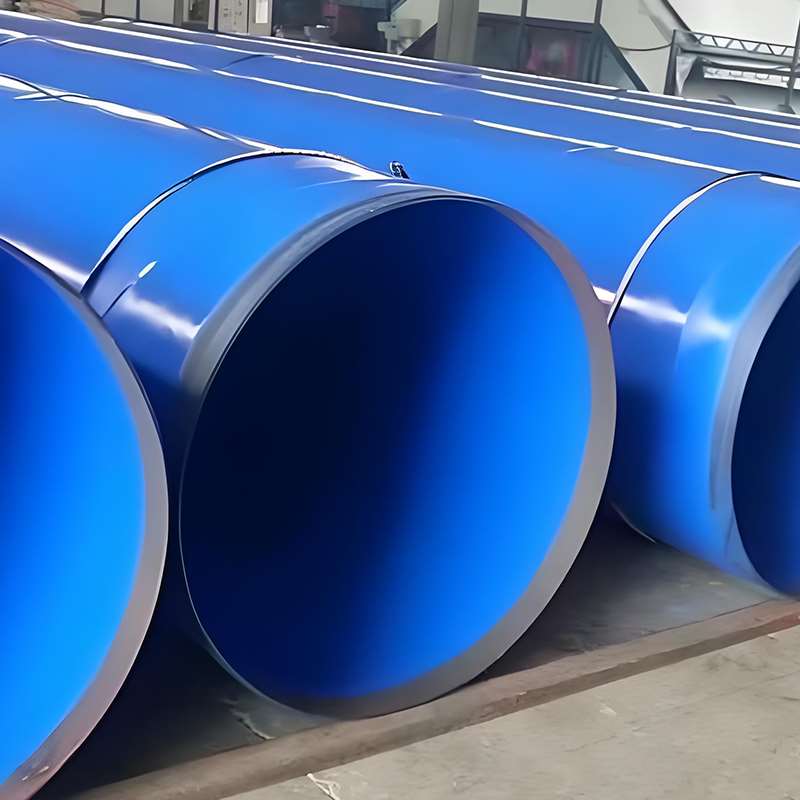
II. Performance Comparison of Mainstream Anti-Corrosion Coatings for Coastal Environments
Given the unique climate of coastal regions, the industry currently primarily employs the following three coating solutions, each with its own distinct advantages:
1. 3PE Anti-Corrosion Coating
3PE anti-corrosion technology (epoxy powder base coat + adhesive + outer polyethylene layer) is currently the preferred choice for buried pipelines in coastal areas.
- Performance Analysis: The epoxy powder provides excellent chemical adhesion, while the outer polyethylene layer acts as a “plastic armor,” making it virtually impermeable to water vapor and chloride ions.
- Application Scenarios: In water supply trunk lines in coastal cities or cross-sea water conveyance projects, the use of high-performance corrosion-resistant spiral-welded steel pipes as the core of the pipeline network ensures stable operation for over 50 years in soils characterized by salt and alkali crusting, high groundwater levels, or coastal conditions, thereby reducing the difficulty and cost of future excavation and maintenance.
2. Double-Layer Fusion-Coated Epoxy Powder
Traditional single-layer epoxy powder is prone to scratching, but double-layer epoxy powder performs very well in coastal environments.
- Performance Analysis: Epoxy powder forms strong molecular bonds with the steel surface and offers industry-recognized resistance to cathodic delamination. Even if the coating is slightly damaged in localized areas, corrosion will not spread beneath the coating.
- Limitations: Although it offers excellent resistance to chemical corrosion, its toughness and ability to withstand severe mechanical impact are slightly inferior to 3PE, making it more suitable for directional drilling crossings or coastal areas with relatively uniform soil conditions.
3. Thick-Film Epoxy-Coal Tar / Fiberglass Reinforced Plastic (FRP) Corrosion Protection
- Performance Analysis: This is a traditional “X layers of fabric, X coats of resin” heavy-duty corrosion protection solution. It offers good water resistance and is cost-effective.
- Disadvantages in Coastal Environments: Epoxy coal tar asphalt is prone to aging and embrittlement under long-term immersion or in high-salinity environments, and the quality of manual on-site application is highly susceptible to environmental humidity. When applied in high-humidity coastal environments, moisture is easily trapped within the coating, leading to localized blistering and failure later on. Therefore, it has gradually been phased out in modern large-scale coastal projects.
III. Selection Strategies for Anti-Corrosion Spiral Steel Pipe in Coastal Projects
There is a high demand for large-diameter pipes in coastal port construction, municipal wharves, and outfall projects. How can we ensure that these heavy-duty pipelines are not corroded by “saltwater”?
- Offshore Piling and Wharf Steel Piles: These pipes are continuously exposed to the tidal zone and wave splash zone, subjected to alternating erosion from sunlight, salt fog, and ocean waves. In such cases, selecting high-quality coated spiral steel pipes (such as those with heavy-duty anti-corrosion epoxy or polyurethane coatings sprayed on the outer wall) can effectively withstand the dual challenges of physical wear and chemical corrosion.
- Subsea and Offshore Buried Pipelines: When dealing with saturated brine soil with high electrical conductivity, 3PE corrosion protection is the undisputed optimal solution. It not only blocks electrochemical reactions but also integrates with an impressed current cathodic protection system, providing a dual layer of protection.
IV. Conclusions and Recommendations
In extreme coastal environments characterized by high salt fog and high humidity, 3PE corrosion-resistant coatings demonstrate the best overall protective performance.
If your project is located in a coastal area, we recommend prioritizing “coating impermeability” and “suitability for the construction environment” when selecting pipeline corrosion protection. Whenever possible, choose factory-prefabricated corrosion-resistant pipes to minimize the impact of humid coastal sea breezes on the quality of on-site joint construction—this is the key to ensuring the long-term stability and safety of coastal underground pipeline networks.