
I. What Exactly Is an FBE Coated Steel Pipe?
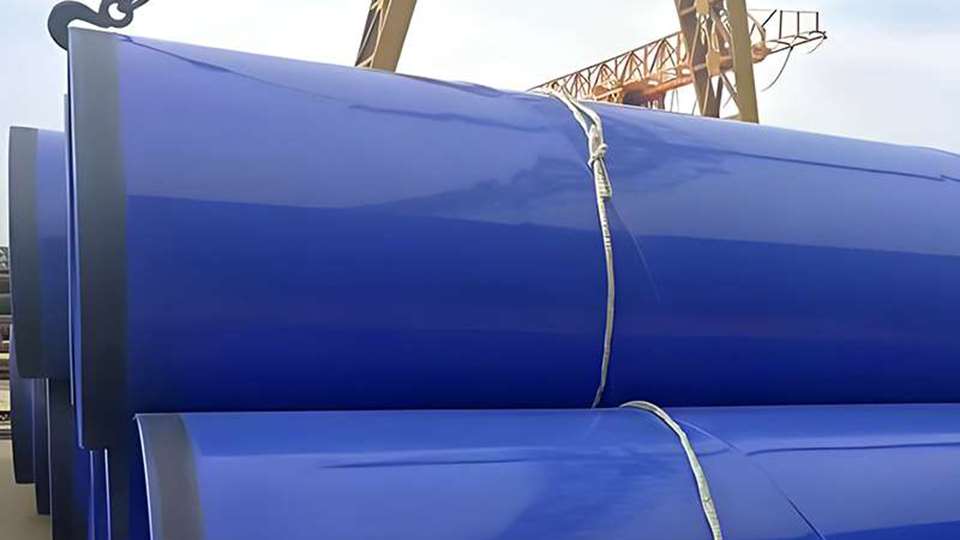
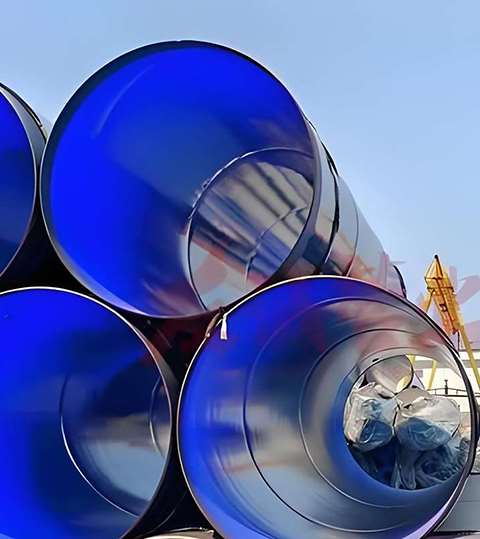
FBE coated steel pipe is an anti-corrosion steel pipe that uses fusion bonded epoxy (FBE) powder as the primary protective material. The epoxy powder is applied to the surface of the steel pipe through electrostatic spraying or thermal spraying, where it melts and cures to form a protective coating.
Simply put:
Steel pipe surface preparation → Heating → Epoxy powder spraying → Powder melting → Curing to form a protective layer
This process creates a strong, firmly bonded anti-corrosion coating on the surface of the steel pipe.
Although this coating is usually only a few hundred microns thick, it provides excellent resistance to corrosion in underground environments due to its good chemical stability and strong adhesion properties.
II. How Does FBE Coating Protect Steel Pipes?
Corrosion of underground steel pipes usually requires the presence of three conditions at the same time:
- Moisture
- Oxygen
- Corrosive substances
When the surface of a steel pipe is continuously exposed to an environment containing these elements, electrochemical corrosion will occur. FBE coating mainly protects steel pipes through the following methods:
(1) Blocking Moisture and Oxygen
After the epoxy powder cures, it forms a highly dense protective film on the surface of the steel pipe. This film can effectively reduce the penetration of moisture and oxygen to the steel surface.
By removing the necessary conditions required for corrosion, the corrosion rate of the steel pipe can be significantly reduced.
(2) Enhancing the Protective Performance of the Steel Pipe Surface
FBE coating has extremely strong adhesion to the steel pipe substrate. Compared with conventional paint-based anti-corrosion coatings, FBE is not simply applied as a covering layer on the pipe surface. Instead, it forms an integrated fusion-bonded layer with the steel through thermal bonding.
As a result, it offers the following advantages:
- Less likely to peel off
- Less likely to blister or flake
- Better long-term stability
(3) Improving Resistance to Chemical Corrosion
In complex underground environments, steel pipes may inevitably come into contact with various harmful substances, such as:
- Salts
- Acidic and alkaline substances
- Industrial pollutants
- Corrosive components in groundwater
FBE coating provides effective protection against these substances, giving steel pipes excellent resistance to chemical corrosion.
III. What Projects Are FBE Coated Steel Pipes Suitable For?
When selecting anti-corrosion steel pipes, many users often have the same question: What is the difference between FBE and 3PE? Which one should I choose for my project?
In fact, different engineering environments require different anti-corrosion solutions. FBE coated steel pipes are commonly used in the following fields:
① Oil and Natural Gas Transmission Pipelines
FBE has been widely used for the external corrosion protection of oil and gas pipelines for many years. This is mainly because it offers the following advantages:
- Strong adhesion
- Good resistance to cathodic disbondment
- Highly suitable for long-term underground operation
② Drinking Water and Water Supply & Drainage Projects
FBE coating has good hygienic performance. After passing the relevant required tests, it can be safely used for:
- Municipal water supply pipelines
- Water treatment projects
- Industrial circulating water systems
③ Fire Protection Pipelines
Although fire protection pipelines usually remain in a static standby condition for long periods, they still require strict protection against both internal and external corrosion.
FBE coating can provide stable corrosion protection, effectively reducing the frequency of maintenance during later operation.
④ Industrial Pipeline Projects
In some special industrial production environments, such as:
- Chemical plant pipelines
- Mining transportation pipelines
- Power plant circulating water pipelines
These applications usually have higher requirements for the overall corrosion resistance of steel pipes. FBE coating can effectively meet the anti-corrosion needs of these industrial projects.
IV. How to Choose an FBE Coated Steel Pipe Supplier?
When purchasing FBE coated steel pipes, it is not recommended to compare suppliers based solely on price. More importantly, buyers should verify whether the manufacturer truly has complete quality control capabilities.
The following aspects should be given priority:
① Steel Pipe Quality
During procurement, it is necessary to verify and confirm the key specifications of the steel pipe substrate, including:
- Steel grade
- Wall thickness
- Weld quality
- Material certificates
② Anti-Corrosion Production Capability
A thorough understanding of the manufacturer’s processing capabilities and production technology is essential, including:
- Whether the manufacturer has a professional anti-corrosion coating production line
- Whether the surface preparation process meets the required standards
- Whether complete coating inspection equipment is available
③ Inspection Documents
According to the specific technical requirements of the project, buyers can request the supplier to provide the following quality documents:
- Material Test Certificate (MTC)
- Coating thickness inspection report
- Holiday detection (spark testing) report
- Adhesion test report
V. How should one choose between FBE and 3PE?
| Item | FBE Coated Steel Pipe | 3PE Coated Steel Pipe |
|---|---|---|
| Main Materials | Epoxy powder | Epoxy powder + adhesive + polyethylene |
| Adhesion | Excellent | Excellent |
| Resistance to Mechanical Damage | General | Stronger |
| Long-Term Underground Protection | Suitable | More suitable for harsh environments |
| Cost | Relatively lower | Relatively higher |
| Common Applications | Water pipelines, oil & gas pipelines, small and medium-sized projects | Long-distance oil and gas transmission pipelines, large-scale projects |