
I. Why Do Pipelines Need Corrosion Protection?
Once a steel pipe is buried underground, it immediately enters a harsh electrochemical environment. Moisture in the soil, acidic substances released from plant roots, salts present in the ground, and stray currents generated by nearby subway systems or power grids continuously attack and deteriorate the steel pipe.
If bare steel is directly exposed to the soil, ordinary carbon steel pipelines may become corroded and perforated within just a few years. Underground pipeline networks often carry high-pressure water, natural gas, or petroleum. Once a single-point leakage occurs:
1.Huge economic losses:
- The costs of excavation, backfilling, pipe cutting, and welding repairs are usually several times higher than the original construction costs. This does not even include the indirect economic losses caused by water supply interruptions or gas supply shutdowns.
2.Critical safety risks:
- Gas or oil leakage can easily lead to explosions, fires, and major environmental pollution disasters.
The core value of anti-corrosion coatings is to create a physical and electrochemical barrier between the steel pipe and the harsh external environment. This extends the designed service life of pipelines from only a few years to more than 50 years, thereby protecting the safety and long-term value of the entire engineering project.
II. The Preferred Anti-Corrosion Solution for Large-Diameter Pipeline Networks
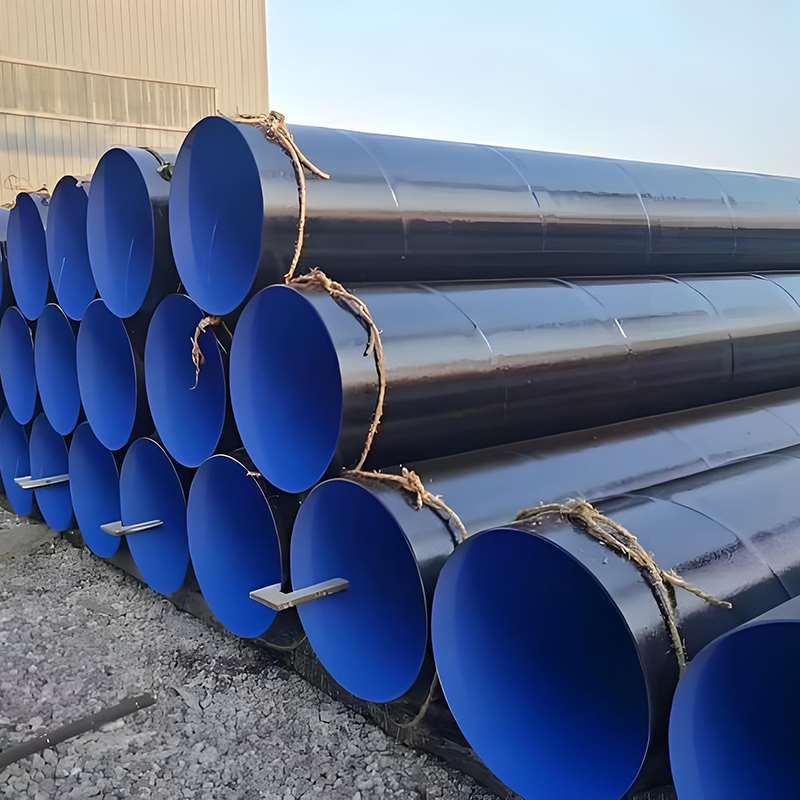
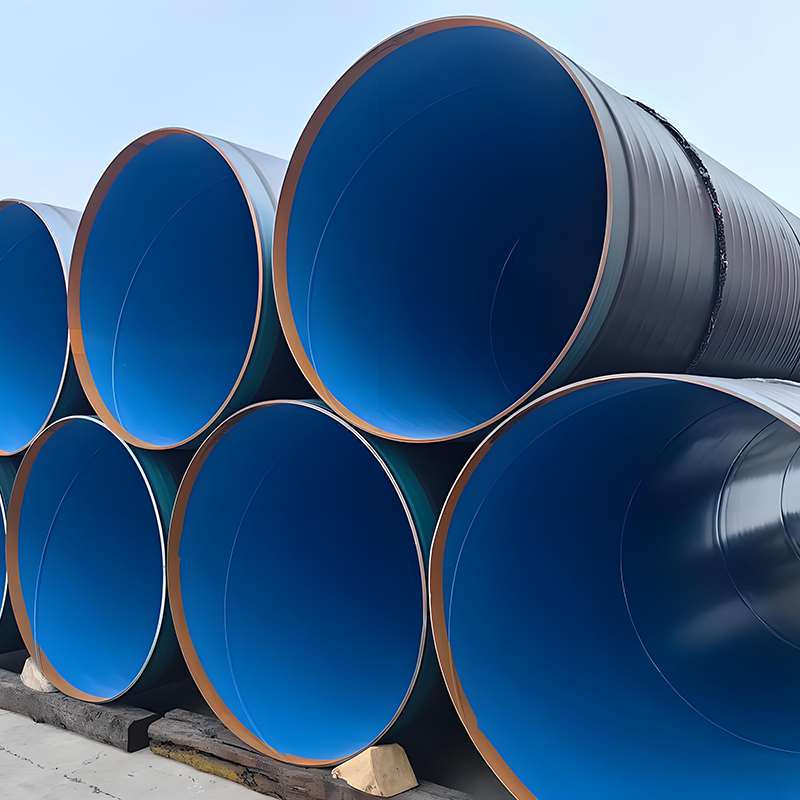
In modern large-scale pressure pipeline projects, such as cross-regional water transmission systems and long-distance natural gas pipelines, anti-corrosion spiral welded steel pipes have become an indispensable mainstay due to their high torsional strength and the ability to be manufactured continuously in large diameters.
However, large-diameter pipelines often face higher operating pressures and more complex geological conditions. For example, in high-pressure oil and natural gas transmission projects or long-distance high-pressure water supply systems, ordinary steel pipe materials are often unable to meet the required pressure-bearing demands. In such cases, engineering companies typically choose high-strength API 5L X52 coated spiral steel pipes.
1.Superior performance of the base material:
- API 5L X52 is a pipeline steel grade specified under international standards, with a yield strength exceeding 360 MPa, allowing it to withstand extremely high internal pressure from the transported medium.
2.The critical role of the anti-corrosion coating:
- For steel pipes with such high-performance requirements, once localized corrosion occurs on the surface, corrosion pits can become stress concentration points under high internal pressure, increasing the risk of pipeline failure or rupture. Therefore, applying customized anti-corrosion coatings such as 3PE (three-layer polyethylene) or FBE (fusion bonded epoxy) not only prevents corrosion but also protects the pipe wall thickness from being weakened. This ensures that the pipeline maintains its high-pressure performance reliably for decades without compromise.
III. What Are the Common Causes of Anti-Corrosion Failure?
Many pipeline corrosion problems do not occur because the wrong anti-corrosion material was selected. Instead, they are often caused by insufficient control of details during the manufacturing and installation processes.
Cause 1: Inadequate Surface Preparation of the Steel Pipe
The long-term performance and adhesion of an anti-corrosion coating largely depend on the cleanliness and preparation quality of the steel pipe surface. If the pipe surface still contains any of the following contaminants before coating application:
- Rust
- Mill scale
- Oil stains
- Salt residues
the adhesion between the coating and the steel substrate can be significantly reduced. During later operation, this may lead to problems such as blistering, coating peeling, and the further spread of corrosion.
Cause 2: Insufficient or Non-Compliant Coating Thickness
When it comes to anti-corrosion coatings, lower cost does not always mean better value. Some manufacturers reduce costs by decreasing the coating thickness, but this can weaken the overall protective performance of the pipeline.
Therefore, during engineering procurement, the following key requirements must be clearly specified:
- Coating type
- Required total coating thickness
- Applicable testing standards
Cause 3: Damage During Transportation and Installation
Even if the anti-corrosion quality is well controlled during factory production, the coating may still be damaged during subsequent transportation and construction processes due to improper handling, such as:
- Pipes colliding with each other
- Improper lifting operations
- Dragging and friction during handling
These improper practices can damage an originally intact anti-corrosion layer. Therefore, before the pipeline is officially installed, the coating integrity must be carefully inspected to ensure that no damage has occurred.
IV. How to Choose the Right Anti-Corrosion Pipeline?
1. Accurately Evaluate the Project Environment
Before selecting an anti-corrosion steel pipe, it is essential to conduct a precise assessment of the actual service environment, including:
- The corrosion level of the soil (whether it is highly saline-alkaline soil, ordinary soil, or low-resistivity soil)
- The distribution and level of groundwater
- Whether the project is located near the coastline (and whether it faces challenges such as high salt spray and high humidity)
- The temperature and characteristics of the transported medium (such as drinking water, industrial wastewater, or high-pressure natural gas)
2. Define the Critical Parameters of the Anti-Corrosion System
The key technical requirements of the anti-corrosion system must be clearly specified, including:
- The type of anti-corrosion coating system to be used (such as 3PE, single-layer FBE, or double-layer FBE)
- The specific thickness requirements for each coating layer (whether standard grade or reinforced grade)
- The applicable project specifications or international inspection standards that the product must comply with and be manufactured according to
3. Verify the Supplier’s Manufacturing and Inspection Capabilities
Before cooperation, it is important to verify the supplier’s production quality control and testing capabilities, including:
- The steel pipe material certificate (MTC) to ensure the base steel meets the required specifications.
- Third-party or manufacturer-issued anti-corrosion coating inspection reports.
- Coating thickness inspection records.
- 100% holiday detection (spark testing) results to ensure complete coating coverage without defects.