
In the construction of underground pipelines, corrosion protection has always been a major concern. The soil contains water, salts, and various acidic and alkaline substances; if the pipeline isn’t properly protected against corrosion, it will rust and leak within a few years, and may even lead to safety incidents.
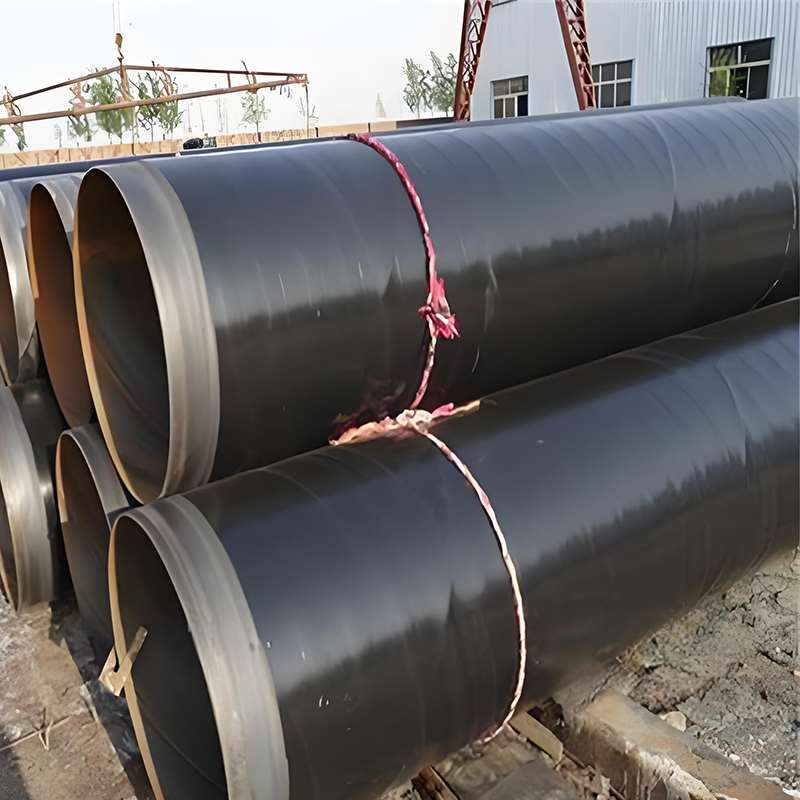
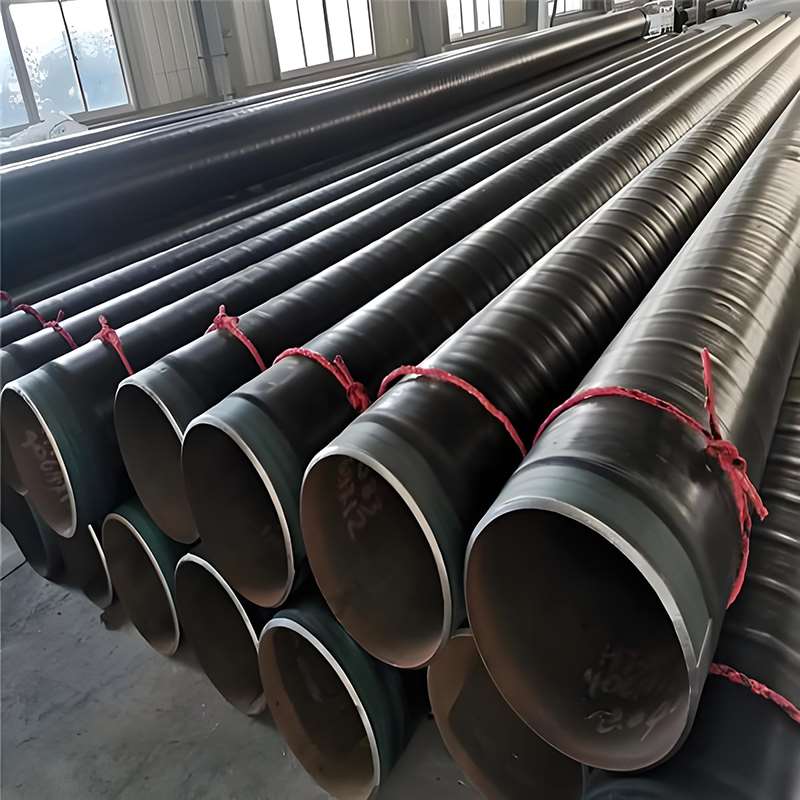
Today, we’ll be discussing 3PE-coated spiral-welded steel pipes, which are currently very popular in engineering projects and offer highly reliable performance as a corrosion-resistant piping solution.
I. What Is a 3PE Coating?
Many people who are unfamiliar with the term may find the name sounds complicated, but “3PE” is actually an abbreviation for a three-layer polyethylene anti-corrosion coating structure:
- First Layer (Base Coat): Epoxy Powder. This coating is sprayed directly onto the thoroughly sanded surface of the steel pipe. Its primary functions are to ensure a strong bond and provide corrosion resistance; it adheres tightly to the steel pipe, preventing moisture and oxygen from coming into contact with the steel.
- Second Layer (Intermediate Layer): Adhesive. Similar to double-sided tape, this layer firmly bonds the first layer of epoxy powder to the outermost layer of polyethylene, preventing the coating from peeling off.
- Third Layer (Outer Layer): High-Density Polyethylene. This outermost plastic shell is extremely hard yet elastic. Its primary function is to “absorb impact,” protecting the pipe from being scratched by rocks or hard objects during transportation, handling, and burial.
When combined, these three layers provide strong adhesion, excellent wear resistance, and corrosion resistance, with a service life that generally exceeds 50 years.
II. Why Choose “Spiral Welded Steel Pipes”?
Spiral welded steel pipes are manufactured by rolling and welding steel strips, offering high production efficiency, relatively low costs, and exceptional strength. Applying 3PE anti-corrosion technology to spiral welded steel pipes can be described as a powerful combination:
- High Cost-Effectiveness: Compared to seamless steel pipes, spiral welded steel pipes offer a significant price advantage in the large-diameter range.
- Combined Pressure Resistance and Corrosion Protection: The steel pipe itself withstands the high pressure of the internal medium, while the outer 3PE coating resists corrosion from the surrounding soil, ensuring the pipe can withstand both internal and external forces.
Particularly in long-distance natural gas and oil transmission projects, API 5L X52 3PE-coated spiral welded steel pipes are a classic standard product. Here, “API 5L” refers to the American Petroleum Institute standard, while “X52” denotes a higher strength grade of steel. The combination of these high-strength steel pipes and an excellent anti-corrosion coating not only ensures safety during the transmission of high-pressure oil and gas but also guarantees that the pipeline will not rust even when buried underground for extended periods.
III. Advantages and Applications of Large-Diameter Corrosion-Resistant Pipes
Large-diameter 3PE-coated steel pipes are frequently used in urban water supply and drainage systems, large-scale water diversion projects, and main oil and gas transmission lines.
The construction environments for these large-diameter pipes are often complex, and the pipes themselves are heavy, making them susceptible to damage during hoisting and backfilling with soil and rock. However, the outer polyethylene layer of the 3PE coating offers excellent resistance to mechanical damage, effectively protecting the pipe body even under harsh construction conditions.
Currently, these pipes are widely used in the following fields:
- Long-distance oil and gas transmission pipelines: Interprovincial or interregional transmission of natural gas and crude oil.
- Urban water supply projects: Main water supply pipelines and inter-basin water diversion projects.
- Industrial pipelines: Circulating water transport and exhaust gas and wastewater discharge in chemical plants and power plants.