
Purchasing large-diameter API 5L corrosion-resistant spiral welded steel pipes (SSAW) is a complex task involving significant capital expenditure and strict engineering standards. As an overseas buyer, how can you screen qualified suppliers from among China’s numerous manufacturers and ensure that the quality of the anti-corrosion coating meets project expectations? Here are the key points you must understand:
I. Confirmation of Steel Grade and Specifications for the Base Pipe (API 5L)
No matter how effective the anti-corrosion coating is, it must be applied to a high-quality base pipe.
Specify the steel grade: Whether it is the standard Grade B or high-strength grades such as X52, X60, X65, or X70, you must ensure that the manufacturer has consistent production capabilities for that specific steel grade.
Product Specification Level (PSL1 vs. PSL2):
- PSL1: Standard transmission pipes with relatively lenient requirements for chemical composition and mechanical properties.
- PSL2: Designed for critical underground pipelines such as high-pressure oil and gas lines. PSL2 specifies strict requirements for carbon equivalent, impact strength, fracture toughness, as well as mandatory non-destructive testing and traceability. When purchasing, explicitly request a PSL2 certificate from Chinese manufacturers.
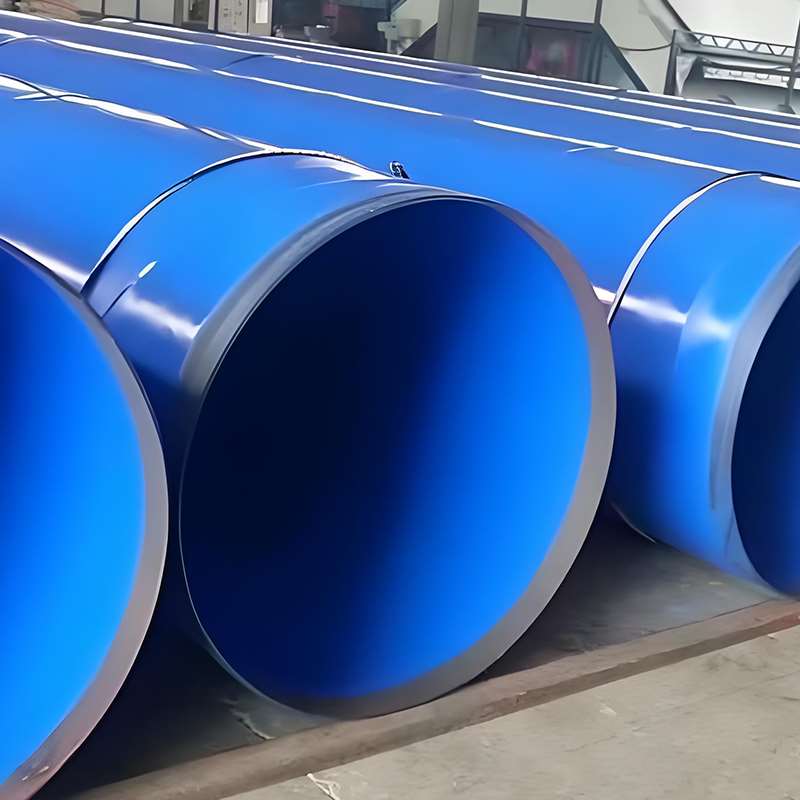
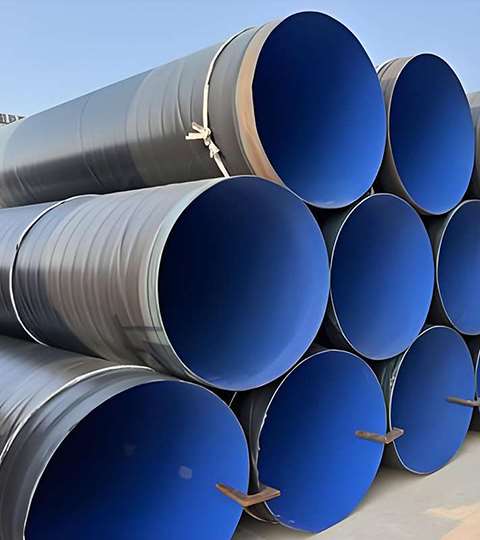
II. Coating Quality and Interface Integrity
3PE and FBE have different protective mechanisms, and their inspection and procurement priorities also differ:
If you are purchasing 3PE steel pipes:
- Thickness Control: The total thickness of the 3PE coating (typically between 1.8 mm and 3.5 mm) directly determines its resistance to mechanical damage. Verify that the manufacturer is equipped with an in-line thickness gauge.
- Adhesive Copolymer: The intermediate layer serves as the bond between the epoxy powder and the polyethylene. If the manufacturer uses substandard adhesive or fails to properly control the temperature during the extrusion and wrapping process, delamination is likely to occur later.
If you are purchasing FBE steel pipes:
- Pinholes and Micro-pores Control: FBE is a single-layer coating with a relatively thin thickness (400–800 micrometers). Before shipment, you must require the manufacturer to perform 100% full-pipe electrical spark leak detection, typically at a voltage of 2 kV–3 kV, to ensure the coating is free of any microscopic pinholes.
III. Supply Chain Integration Capabilities: Are Steel Pipes and Corrosion Protection “Integrated” or “Outsourced”?
In China, the operating models of spiral welded steel pipe manufacturers generally fall into two categories, which directly impact your project timeline and quality control:
- Integrated Large Manufacturers: These companies own modern SSAW production lines and are equipped with complete sets of automated 3PE/FBE coating workshops on-site. These manufacturers offer more consistent quality control and lower logistics costs, making them the preferred choice for overseas buyers.
- Outsourced Processing Plants: The steel pipe mill is responsible only for rolling the pipes, which are then shipped to a third-party coating facility for application. If you choose this type of manufacturer, you must include the third-party coating facility in your quality inspection and factory audit scope to prevent buck-passing.
IV. Critical Factory Quality Control (QC) and Third-Party Inspection (TPI)
To avoid disputes after receiving the goods, international buyers should mandate the following tests in the contract and are strongly advised to engage a third-party inspection agency to conduct on-site supervision:
- Surface Preparation: The surface of the steel pipes must achieve an Sa 2.5 grit depth prior to anti-corrosion treatment; this is a decisive factor in whether the coating will adhere firmly.
- Cathodic Disbondment Test: This is a core indicator for evaluating the long-term corrosion resistance of the anti-corrosion coating underground.
- Bending and Impact Tests: These tests evaluate the coating’s flexibility and resistance to external forces.
Summary of Pitfalls for Buyers:
Do not rely solely on the “price per metric ton” as the sole criterion. A detailed Manufacturing Process Specification (MPS), complete Material Traceability Records (MTC), and an in-line inspection report for the anti-corrosion coating are the guarantees that your underground pipeline project will operate safely for more than 30 years.